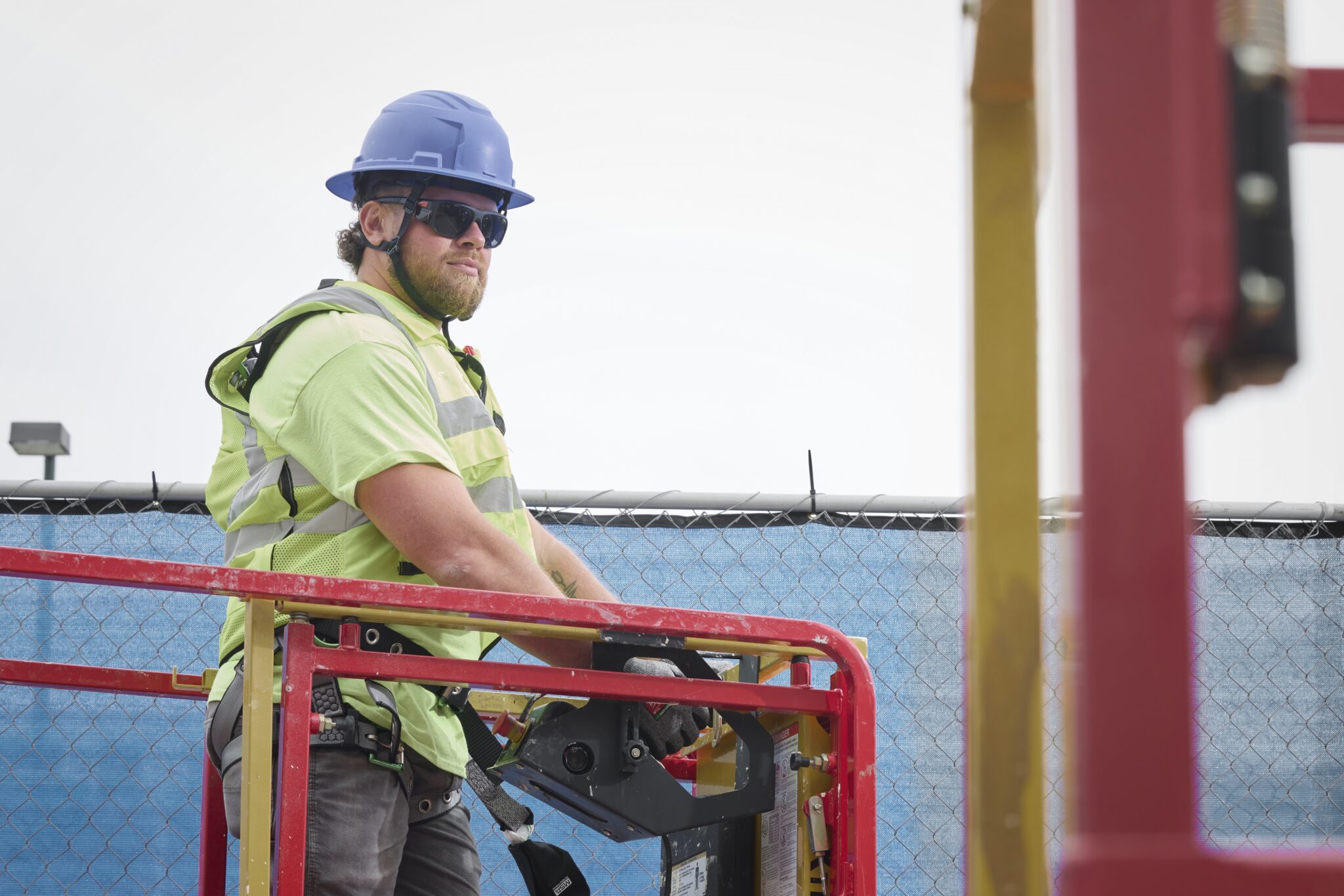
Safety across the construction industry has long been shaped by compliance, policies, procedures, and protective measures designed to reduce risk. But as jobsites become more complex and performance demands increase, that approach is evolving. Increasingly, safety is being viewed not as a checklist, but as a connected system, one that integrates equipment, worker behavior, and jobsite conditions to better protect the workforce.
This shift reflects a broader industry movement toward proactive, human centered safety strategies. Rather than reacting to incidents, companies are investing in solutions that anticipate risk, reduce exposure, and support safer decision-making in real time. At the center of this evolution is the recognition that safety outcomes improve most when tools, personal protective equipment (PPE), and jobsite culture are designed to work together.
Redefining PPE Through a Human-Centered Lens
Personal protective equipment has traditionally been considered the final line of defense on the jobsite. While that remains true, the role of PPE is expanding. Comfort, fit, and usability are now seen as critical factors in ensuring consistent wear, making PPE a more proactive component of jobsite safety.
Advancements in materials and ergonomic design have led to equipment that better supports the realities of daily work. From gloves that reduce vibration to eyewear designed for extended use, for certain manufacturers, PPE is increasingly shaped by direct feedback from trades professionals. These insights help ensure that protective gear not only meets safety standards but aligns with how work actually gets done in the field.
At the same time, research-driven approaches, such as analyzing muscle activation and movement patterns, are informing how PPE and tools interact with the body. These findings are helping reduce strain, improve comfort, and support longterm health outcomes, particularly in physically demanding applications.
Engineering Safety into Tools and Equipment
Beyond PPE, one of the most significant shifts in jobsite safety is happening at the tool level. Certain manufacturers are increasingly focused on engineering safety features, designing equipment that actively reduces exposure to common risks such as vibration, noise, dust, and loss of control.
Technologies that minimize vibration and optimize tool balance are helping reduce fatigue and the risk of long-term conditions like Hand-Arm Vibration Syndrome (HAVS). Integrated safety features, such as systems that automatically stop a tool during a bind-up event, are designed to respond in real time, supporting greater control in high-risk situations.
In parallel, dust management solutions are helping address respiratory hazards associated with cutting, grinding, and drilling applications. These innovations contribute to cleaner air, better visibility, and safer working conditions overall.
The transition away from gas-powered equipment is also playing a critical role. In many applications, battery-powered solutions are becoming essential, not only for performance, but for safety. By reducing emissions, these solutions offer a safer alternative, particularly in enclosed or poorly ventilated environments.
Strengthening Safety Through Culture and Field Engagement
While advancements in PPE and tool technology are critical, their impact is ultimately shaped by how they are used. Safety culture, the shared behaviors, decisions, and expectations on a jobsite, remains a defining factor in reducing risk.
A strong safety culture is built through consistency: how work is planned, how tools are selected, and how teams are trained and supported. It is reinforced through leadership, peer accountability, and the integration of safety into everyday workflows.
Ongoing engagement with trades professionals plays a key role in this process. By working directly with users, some manufacturers and industry leaders gain a clearer understanding of real-world challenges, insights that inform product development, training programs, and jobsite support. This collaboration helps ensure that safety solutions are not only technically effective, but practical and relevant in the field.
A More Connected Approach to Jobsite Safety
As these elements come together, a more holistic model of jobsite safety is taking shape, one where protection is built into every layer of the work. PPE designed for comfort and usability encourages consistent wear, while tools engineered with integrated safety features help reduce exposure to risk. At the same time, strong safety cultures reinforce behaviors that prioritize accountability and protection.
Together, these elements form a connected safety ecosystem that supports both immediate risk reduction and long-term workforce health. As jobsite demands continue to evolve, organizations that embrace this integrated approach, will be better positioned to protect their teams and drive stronger performance.
BY EDGAR SANCHEZ, NATIONAL ACCOUNT MANAGER OVER JOBSITE SAFETY SOLUTIONS, MILWAUKEE TOOL, AN AGC OF AMERICA CAPSTONE SUPPORTER